




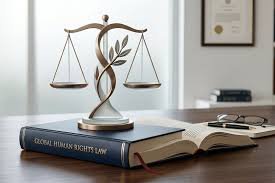
In our increasingly interconnected world, the significance of Human Rights Defense civil rights lawyers in defending human rights cannot be overstated. Human rights defense encompasses a broad spectrum of issues, from advocating for the rights of the marginalized to addressing systemic injustices and fighting against discrimination. This article delves into the multifaceted nature of human rights defense, its historical context, contemporary challenges, and the vital role that legal professionals and activists play in safeguarding these fundamental rights.
The Historical Context of Human Rights Defense
Human rights as a formal concept gained prominence after the Second World War, primarily through the establishment of the Universal Declaration of Human Rights (UDHR) in 1948. This foundational document laid the groundwork for international human rights law and set the tone for how nations would respect and uphold the dignity of every individual. As a response to the atrocities committed during the war, the UDHR articulated rights that belong to all people, regardless of nationality, ethnicity, or background.
Throughout the latter half of the 20th century, various movements emerged globally, calling for the recognition and enforcement of human rights. These included civil rights movements in the United States, anti-apartheid struggles in South Africa, and numerous feminist movements that sought equal rights and protections under the law. Each of these movements highlighted the intrinsic relationship between justice and human rights, emphasizing the responsibility to not only recognize rights but to actively defend them.
The Importance of Advocacy
At the heart of human rights defense is advocacy. Advocacy can take many forms, including legal representation, public awareness campaigns, and direct action. It seeks to amplify the voices of those who might otherwise be silenced or marginalized and to influence policy decisions that affect human rights globally.
The role of civil rights lawyers is particularly crucial in this context, as they navigate the intricacies of the legal system to ensure that clients receive fair representation. Their work often includes litigation against unjust laws, providing legal counsel to disenfranchised communities, and supporting broader movements for social change. Their efforts are instrumental not only in achieving individual justice but also in setting legal precedents that can effect systemic change.
Contemporary Challenges in Human Rights Defense
Despite the progress made over the decades, numerous challenges persist in the realm of human rights defense. In many regions, authoritarian regimes continue to violate fundamental rights, censoring free speech, eliminating political opposition, and persecuting dissenters. The rise of populism and nationalism has further exacerbated these challenges, leading to xenophobia and discrimination against minority groups.
Additionally, global issues such as climate change, economic inequality, and mass migration have introduced new complexities into the human rights landscape. These challenges necessitate a reevaluation of traditional frameworks for rights and demand innovative approaches to advocacy and defense. Activists and lawyers must work collaboratively across borders to ensure that human rights are upheld in an increasingly complex global context.

The Role of Technology in Human Rights Defense
In recent years, technology has emerged as a powerful tool in the fight for human rights. Social media platforms and digital tools enable activists to disseminate information rapidly, mobilize support, and document abuses in real-time. For instance, the use of mobile phones to capture footage of protests or human rights violations has brought greater accountability to oppressive regimes.
Furthermore, digital advocacy campaigns can reach a global audience, drawing international attention to local struggles. This has been particularly evident in movements such as Black Lives Matter, which gained traction through viral sharing and online activism. However, the digital landscape also poses risks, including surveillance, data privacy concerns, and the potential for misinformation. Navigating these challenges requires a careful balance of leveraging technology while safeguarding individuals’ rights to privacy and security.
Global Cooperation and Solidarity
Human rights defense is a collective endeavor that transcends national borders. Non-governmental organizations (NGOs), international bodies, and grassroots movements work together to foster solidarity in the fight for justice. Global cooperation enables the sharing of resources, knowledge, and strategies, creating a more united front against human rights violations.
International treaties, such as the International Covenant on Civil and Political Rights (ICCPR), serve as benchmarks against which countries can be held accountable. They reflect a global commitment to upholding human rights, although enforcement mechanisms often rely on the willingness of states to comply.
Moreover, efforts such as the UN Human Rights Council provide platforms for dialogue and action, yet their effectiveness can be hampered by political agendas and power dynamics among member states. Therefore, sustaining pressure on governments and promoting accountability are essential to ensure that human rights are not merely aspirational but are actively upheld.
Conclusion: A Call to Action
As we navigate an evolving landscape marked by challenges and opportunities, the defense of human rights remains a critical commitment for individuals, communities, and nations alike. The role of civil rights lawyers, activists, and informed citizens is vital in advancing these principles and holding violators accountable.
We must collectively champion the rights of the marginalized, challenge unjust systems, and push for reform that upholds dignity and justice for all. By fostering awareness, mobilizing resources, and engaging in advocacy, we can continue to make strides in the pursuit of human rights defense. The fight for justice is ongoing, and each of us has a part to play in ensuring that the fundamental rights of all individuals are respected and upheld, not only today but for generations to come.
